








Quality Management & Traceability
Quality control of production
Implementation QMS Continuous improvement of material and product quality in the system
QMS It is an integrated management approach to establish, plan, control, monitor and improve systems for quality-related activities. It covers quality policies, quality objectives, quality plans, quality control, quality assurance and quality improvement. Through implementation QMS. . . . . . . . . . . . . . . . . . . . . . . . . . . . . . . . . . . . . . . . . . . . . . . . . . . . . . . . . . . . . . . . . . . . . . . . . . . . . . . . . . . . . . . . . . . . . . . . . . . . . . . . . . . . . . . . . . . . . . . . . . . . . . . .ServicesQuality levels, meeting customer needs and enhancing market competitiveness.
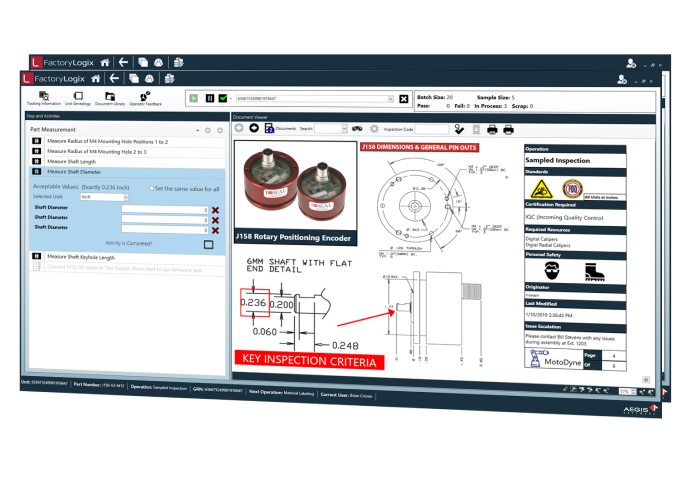
Understanding the characteristics and advantages of quality management
QMS Systems are one of the key systems for achieving quality production prevention and improving product quality
Improving product quality: By regulating and monitoring quality control processes, help enterprises to improve the stability and reliability of product quality, reduce product defects and improve product competitiveness and reputation.
Improved operational efficiency: Helping enterprises to reduce quality costs, improve efficiency, shorten delivery cycles and better meet client needs by optimizing quality processes and resource management.
Quality management processes are regulated: a complete quality management process is provided, quality requirements and operational steps are regulated and quality work is carried out in an orderly manner.
Building a culture of quality: it can help enterprises to develop the concept of quality first, promote full participation in quality management and foster a culture of quality. Through their participation in quality management processes, staff have increased the importance and responsibility for quality and improved overall quality.
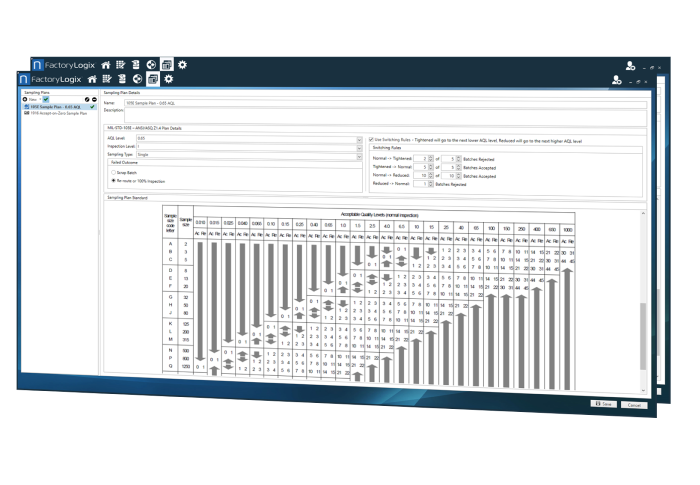
Inspection of material from suppliers
Material, semi-finished or finished parts procured from suppliers should be inspected before processing and assembly to determine that they fully meet production requirements.
IQC can be divided into the following types of material purchased: total, sample, exemption, etc., depending on:
The degree of material importance to the quality of the finished product;
Quality assurance of the supplier;
Quantity, unit price, volume, inspection costs;
The time available to perform the IQC test;
Special requirements of the client, etc.;
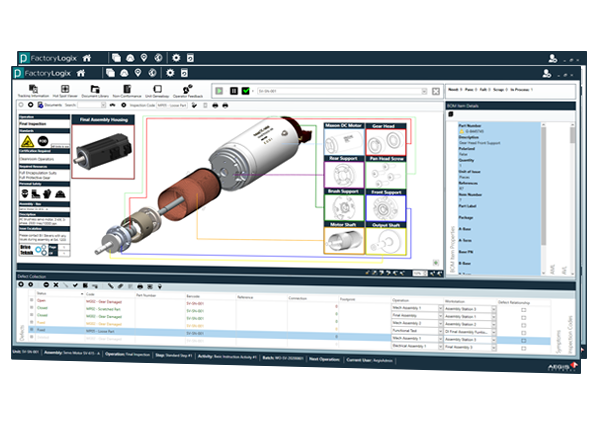
Inspection of products in production
Disqualifications are detected at an early stage of processing to avoid the waste of manpower on later substandard products.
Process tests can be used as part of process control to indicate trends before actual incompetence occurs.
A rigorous process test ensures that only eligible products are transferred to the next process.
If an unqualified product is found during the inspection, it must be repaired before it is transferred to the next process, before it can be transferred to the next process.
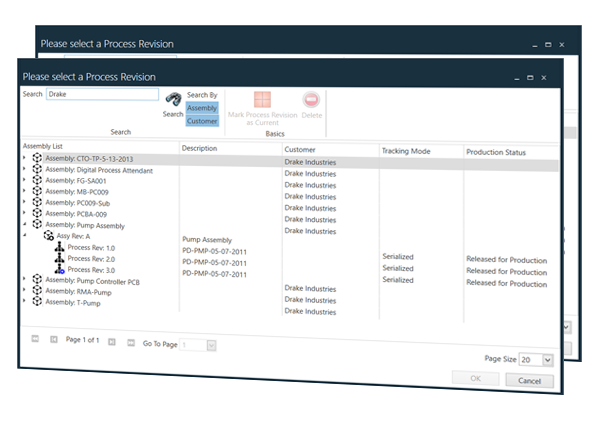
Final inspection of the manufacturing process
The quality of the product is tested for completion of all the processes or processes. The tests should include, at a minimum, the project, specifications, methods of testing, etc. The organizational plants of the FQC are in the production sector, some in the quality sector, and the types of FQC tests can be classified as complete, spot-check or inspection.
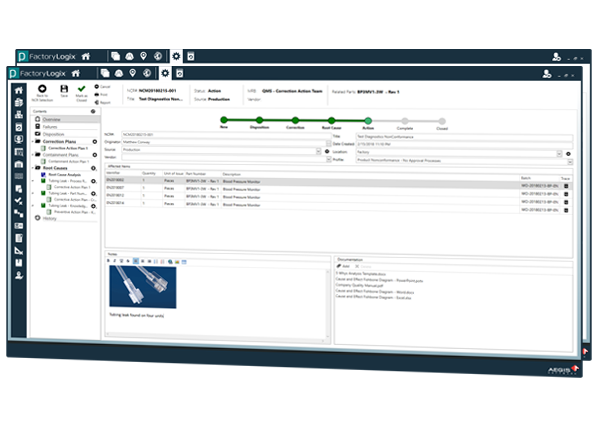
Inspection of products before shipment
The finished product must be tested before it can reach the target of zero-deficient customers satisfied with zero complaints. The items of inspection include: Packaging of finished products: whether the packaging is robust, meets transport requirements, etc. Product marking test: For example, whether the trademark lot number is correct. Appearance test for finished products: whether the appearance was damaged, fractured, bruised, etc. Performance of finished products. The batch is released and the non-conformity shall be returned to work or to work again in a timely manner until the test is completed.
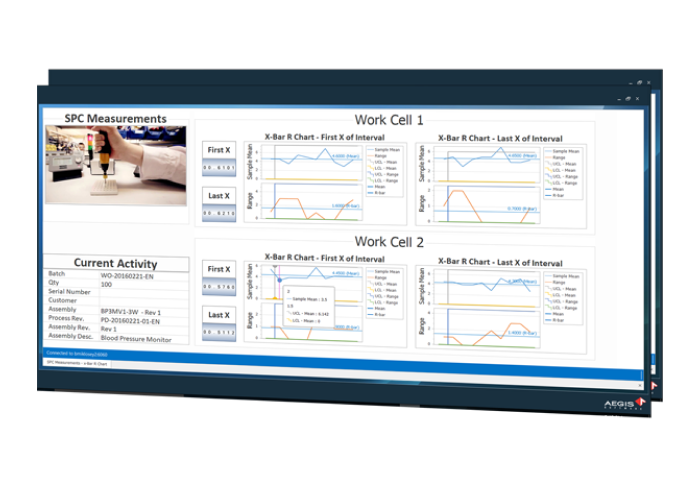
SPC statistical process control is an excellent micromanager.
"Statistical Process Control" is a form of manufacturing orServicesIn the process, real-time monitoring and adjustment of the production process through the use of control maps and other statistical tools to achieve continuous improvement and product quality stability management methods. The SPC system emphasizes macro-control of the production process and, by monitoring the entire production process, identifies bottlenecks, anomalies and potential problems in the process, ensuring its stability and the reliability of product quality.
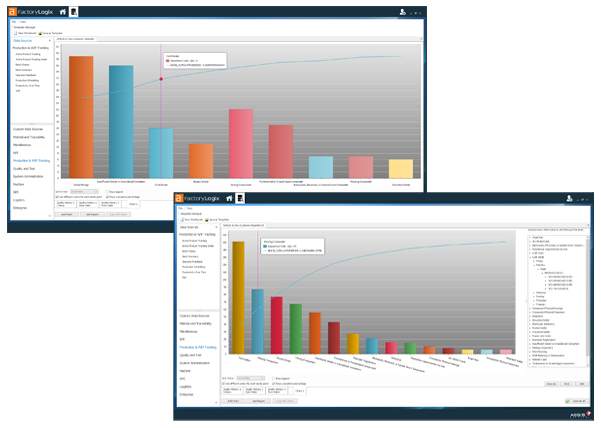
Only implement and run QMS It's not enough to ensure continuous quality improvement, and the enterprise needs a strategy for continuous improvement. QMS effectiveness and performance.
Elements of continuous improvement include leadership commitment and participation, process management and optimization, and data-driven decision-making.
Strategies and methods for continuous quality enhancement include the PDCA cycle, Kaizen activities, full participation and ongoing training.
The tools and techniques for continuous improvement include flow and value flow charts, analysis of root causes, data analysis and statistical tools.

Increased client satisfaction
Zero-defect product delivery to best client satisfaction level.

Reducing quality management costs
Easy to quickly guide quality check.

It's easier to generate reports
It is easier to generate product-qualified reports.
Zero quality deficiencies in production quality

5% reduction per million items

Increasing the positive rate

And we're going to make it happen.Traceability

Quick Create Test Report

30 per cent reduction in assembly time

Increased client response time
Other clients we helped.